
Plastic Protection Film
Premium Plastic Self-Adhesive Protection Film
- Designed to temporarily protect plastic surfaces
- Removes clean, without leaving any residue behind
- Materials: Polyethylene Film coated with a water-based acrylic adhesive
- Solvent-Free sustainable adhesive
- Available colors: Clear
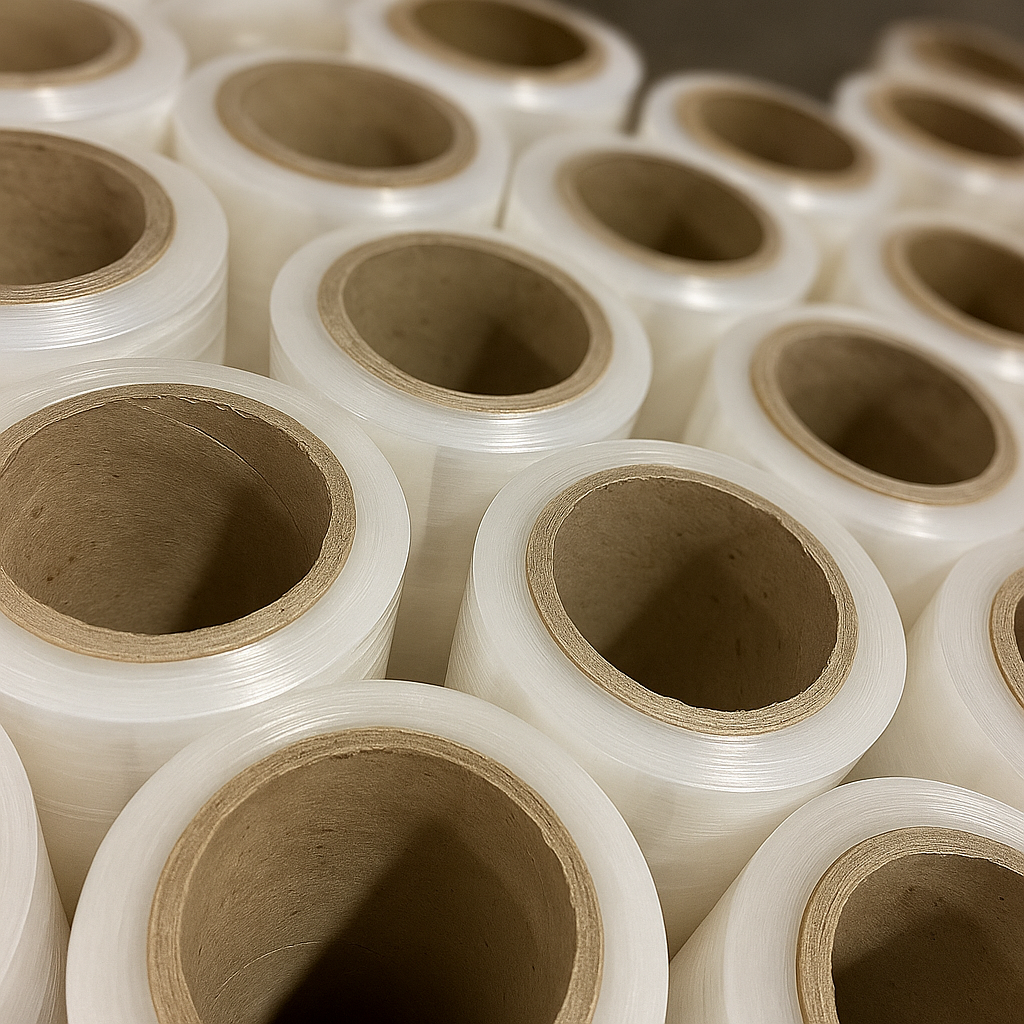
PRODUCT DETAILS
Presto Tapes Plastic Protection Film can be used on various types of plastic applications. Ideal for fabricating, storing, and transporting plastic surfaces and widgets. Our Plastic Protection Film is created as a temporary solution to protect plastic surfaces and widgets from damage. Plastic Protection Film is easy to install and keep in place for the duration of use.
Plastic Surface Protection Film Specifications
Roll Size: All films are available in custom sizes up to 60″ width and up to 5,000′ finished
Perforations: Custom perforations as well as standard perforations of 2″, 3″, 4″, 6″, 7″, 8″, 12″, 21″, 24″.
30L40
- Adhesion to Steel: PSTC-101 (oz/in): 2.0 to 4.0
- Tack Level: Low
- Tensile Strength: PSTC-131 lb/sq in: 11
- Elongation (%): PSTC-131: 325
- Thickness: PSTC-133: 2.1 mils (nominal)
Standard Size Options
- 30L40 – Plastic Protection Film – Custom Sizes Up To 60” Width
We're Here to help
Our team is available to help with product questions, find the right solution for your business, or provide a quote. Contact us to get started.
BENEFITS
Benefits of Presto Tape's Plastic Protection Film
CHEMICAL BARRIER
Shields against solvents, paints, or adhesives used in production and assembly.
Differentiates OEM Quality
Serves as a visual signal of high-grade manufacturing standards when passed along to buyers.
Enhanced Brand & Customer Satisfaction
A protected surface enhances perceived product quality, boosting customer satisfaction, brand image, and repeat business.
PROCESS USE
Plastic Protection Film can be used during fabrication, forming, shaping, finishing, and packaging to protect against tools and abrasion. The film can also be used in other processes, including installation, transportation, and storage, to prevent scuffs, damage, and contamination.
The film can be used for specific uses during production, including:
Plastic Sheet Fabrication
Plastic protection film is applied immediately after plastic sheets are extruded, cut, drilled, or CNC-routed. This step prevents surface scratches, dust, and abrasions caused by conveyor systems, stacking, or storage.
Packaging & Shipment
Before packaging, the film remains intact to ensure protection during carton filling, shrink wrapping, palletization, and transport. It prevents scuffing from strapping, static cling debris, and abrasion from packaging materials or parts in bulk shipping.
Subassembly & Mechanical Integration
As plastic components are joined with other plastic or metal parts, the film guards against damage from metal tools, fastener heads, and misaligned parts. It also prevents adhesive overspray, excess sealant, or silicone from sticking to visible surfaces.
HOW TO APPLY & REMOVE PROTECTIVE FILM
Applying the Film
Applying Plastic Protection Film during Plastic Fabrication
1. Clean the Plastic Surface: Use an industrial plastic washer or lint-free wiping system and dry the plastic completely with air knives or integrated drying rollers to prevent adhesion failure.
2. Load the Plastic: Feed the cleaned plastic into the film application station, such as a flatbed laminator or pressure roller system.
3. Setup the Film: Align and tension the plastic protection film roll on the unwind shaft above the application zone.
4. Feed the Film: Advance the film to make initial contact with the plastic as it enters the nip of the rollers.
5. Adhere the Film: Use pressure-adjustable rubber or silicone rollers to bond the film to the plastic as it passes through.
6. Edge Trimming: Trim excess film with inline slitters or downstream automated blade systems for edge precision.
Applying Plastic Protection Film by Hand or Applicator
1. Clean the Surface: Clean the plastic using a plastic-safe cleaner or isopropyl alcohol and a lint-free cloth or microfiber towel.
2. Dry the Plastic Substrate: Ensure the surface is completely dry using a clean cloth or by air drying to prevent adhesion issues.
3. Cut the Film to Size: Measure the plastic and cut the protection film slightly oversized to allow edge trimming after application.
4. Peel and Position the Film: Peel back a small section of the film and align it at one edge of the plastic, adhesive side down.
5. Apply the Film by Hand or Roller: Slowly apply the film across the plastic, smoothing it out with a felt squeegee or hand roller to avoid bubbles.
6. Work Out Air Bubbles: Use the squeegee to push air bubbles from the center toward the edges in smooth, overlapping strokes.
7. Trim Excess Film: Carefully trim the overhanging film using a sharp utility knife and a straight edge for a clean finish.
Removing the Film
1. Gather Tools: A soft, lint-free cloth, and a plastic scraper or edge-safe tool. Avoid abrasive pads or metal tools that could scratch the surface.
2. Loosen a Corner or Edge: Look for a pre-lifted corner or edge. If one isn’t visible, carefully slide a plastic tool under the film’s edge to create a starting point. Work slowly to avoid scuffing the plastic surface.
3. Peel Gently: Begin to pull the film back at a shallow 45-degree angle, keeping the motion slow and controlled. Avoid aggressive pulling, rushing can stretch the film or spread debris across the plastic surface, especially if it’s textured or matte. Roll the film into itself as new sections are lifted for easy disposal.
4. Finish with a Clean Polish: Once the film is removed, wipe down the plastic with a non-abrasive cleaner formulated for plastic surfaces. Dry thoroughly with a microfiber cloth for a smooth, clear finish.
INDUSTRIES USING PROTECTIVE PLASTIC FILM
Plastic Sheet Manufacturing
Protects plastic sheets like acrylic, polycarbonate, PET, and PVC during extrusion, forming, cutting, and handling.
Signage & Graphics
Protects printed and unprinted plastic signage sheets and display panels during fabrication and installation.
Automotive & Transportation
Safeguards interior trims, dashboards, panels, and exterior plastic components during assembly and shipment.
Marine & Aerospace
Covers plastic glazing, panels, and instrument components in boats, aircraft, and spacecraft during production and fitting.