
Protective Paper Tape
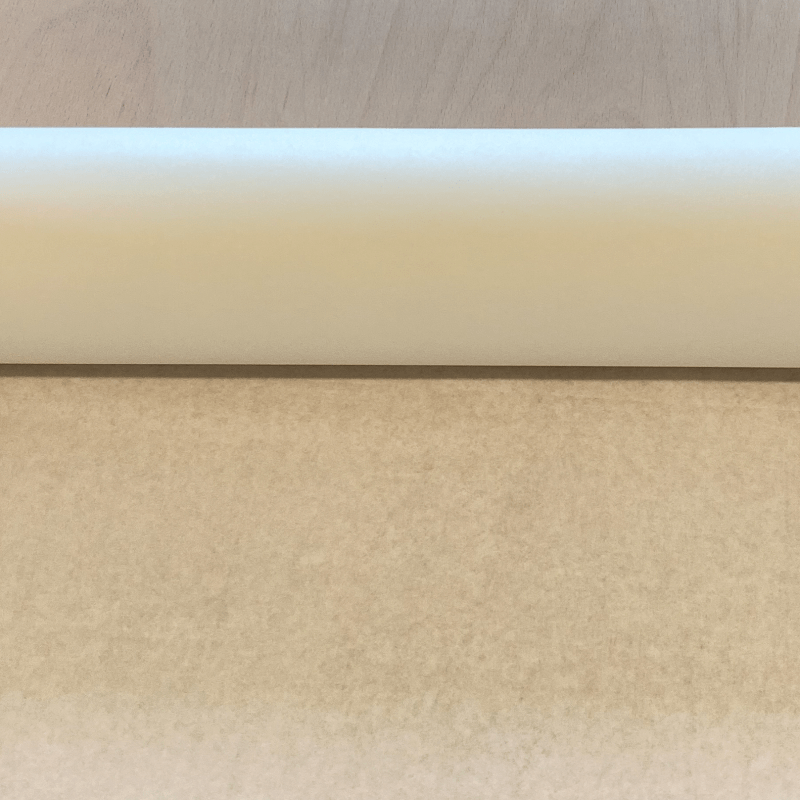
Protective adhesive-backed paper
- Designed to temporarily protect woodworking projects, hard-textured plastic or non-textured hard plastic, cabinetry, and more
- Removes clean, without leaving any residue behind
- Materials: Saturated natural color paper
- Low-tack adhesive
PRODUCT DETAILS
Presto Tapes Surface Protection Paper keeps surfaces free of damage. The adhesive-backed paper is ideal for fabricating, safely storing, transporting, delivering, and protecting carpentry and woodworking projects, as well as hard-textured or non-textured plastic surfaces, before final use. Our Surface Protection Paper is made with natural white colored paper and backed with a low or high-tack adhesive. The paper is easy to install and stays in place throughout use.
Surface Protection Paper Specifications
Roll Size: Available in custom sizes up to 60″ width and up to 5,000′ finished
Perforations: Custom perforations as well as standard perforations of 2″, 3″, 4″, 6″, 7″, 8″, 12″, 21″, 24″.
7169
- Adhesion: Extra Low
- Tack Level: Extra Low
- Elongation (%): PSTC-31: 3-4
- Thickness: PSTC-33: 4.0 mils (nominal)
7186
- Adhesion: Medium-High
- Tack Level: Medium-High
- Elongation (%): PSTC-31: 3-4
- Thickness: PSTC-33: 4.0 mils (nominal)
Standard Size Options
- 7169 Extra Low Tack Paper 48″ x 100 Yard 49 Rolls
- 7169 Extra Low Tack Paper 54″ x 100 Yard 49 Rolls
- 7169 Extra Low Tack Paper 60″ x 100 Yard 49 Rolls
- 7186 Med/High Tack Paper 48″ x 100 Yard 49 Rolls
- 7186 Med/High Tack Paper 54″ x 100 Yard 49 Rolls
- 7186 Med/HighTack Paper 60″ x 100 Yard 49 Rolls
We're Here to help
Our team is available to help with product questions, find the right solution for your business, or provide a quote. Contact us to get started.
BENEFITS
Benefits of Presto Tape's Surface Protection Paper
Reduced Rework
Keeps surfaces clean and damage-free between production stages, cutting time spent on touch-ups before coating or laminating.
Prevents Handling Damage
Protects stained, painted, or veneered surfaces from abrasions during stacking or transport.
Guaranteed Quality
By protecting the surface from the production and fabrication process, the finish is preserved, ensuring a high-quality surface is ready for end use.
PROCESS USE
Surface Protection Paper shields raw and finished surfaces at every stage, from initial cutting and fabrication through assembly, handling, transport, and storage. It guards against tools, abrasion, scuffs, chips, and contamination without leaving residue behind. During renovation and construction projects, the paper can be applied to wood surfaces, panels, and hard plastic components and left in place until work is complete.
The protective paper can be applied for specific uses, including:
Fabrication & Machining Protection
Covers wood and hard plastic surfaces during cutting, routing, and drilling to prevent tool marks, scratches, and surface contamination from chips and debris.
Painting, Staining, & Coating
Protecting surrounding areas from overspray, drips, or finish bleed during the coating processes.
Assembly and Pre-Finishing
During pre-assembly, dry fitting, or partial finishing, protection paper prevents fingerprints, scuffs, and contamination that could compromise the final appearance or adhesion of coatings.
APPLICATION USE
The paper is suitable for a range of applications.
Non-Textured Hard Plastic
Smooth, rigid plastic surfaces like Acrylic, ABS, and PVC used in displays, panels, or furnishings provide excellent adhesion.
Painted, Sealed, or Finished Wood
Ideal for cabinetry, doors, furniture, and millwork. Surface protection paper adheres well to these wood surfaces.
Wood Veneer
Common in furniture and interior finishes, wood veneer with a factory finish or lacquer accepts protection paper without surface disruption.
Laminates
Surface protection paper works effectively on smooth or lightly textured laminate surfaces like HPL, Melamine, and Thermofoil found in countertops, shelving, or cabinetry.
Hard-Textured Plastic
Surfaces such as textured PVC panels or molded plastic fixtures can accept surface protection paper, but may require higher-tack applications.
HOW TO APPLY & REMOVE PROTECTIVE PAPER
Applying the Film
1. Clean the Surface: Before applying the surface protection paper, thoroughly clean the surface to be protected. Remove dust, dirt, grease, moisture, and debris using a mild, surface-safe cleaner. A clean surface ensures proper adhesion and optimal protection.
2. Ensure the Surface is Dry: Moisture can interfere with adhesion. Confirm that the surface is completely dry before applying Presto Tape’s Surface Protection Paper to ensure a secure and reliable bond.
3. Position the Roll: Place the roll of Surface Protection Paper at the starting edge of the surface, with the adhesive side facing downward. Align the roll carefully to maintain a straight and consistent application.
4. Choose Your Application Method
By Hand: Slowly unroll the surface protection paper across the surface, pressing it down as you go to ensure even coverage.
With an Applicator: Load the roll into an applicator to apply consistent pressure and achieve smoother results. This method helps prevent wrinkles, bubbles, and misalignment.
5. Smooth the Paper During Application: As the surface protection paper is applied, smooth it down using your hand, a soft cloth, or an applicator. This keeps the paper flat, secure, and firmly adhered to the surface for maximum protection.
6. Remove Air Bubbles: For a clean, professional finish, smooth the paper from the center outward to remove any trapped air. This ensures full contact between the adhesive and the protected surface.
7. Trim the Edges: Once the surface protection paper reaches the end of the surface or section, trim any excess material neatly using a utility knife or scissors. Follow edges, corners, and contours carefully for a clean fit.
Removing the Film
1. Gather Materials Needed: Gather soft, lint-free cloths and a plastic, non-scratching scraper. These tools help with the removal without damaging the protected surface.
2. Check Surface Temperature: Remove the surface protection paper when the surface is not hot or cold to the touch. Moderate temperatures allow the adhesive to release more cleanly.
3. Find an Edge: Locate an exposed edge or corner of the protection paper. If the edge is difficult to lift, carefully work a plastic scraper under a small section to begin separation. Avoid metal or sharp tools.
4. Lift and Pull with Control: Gently pull the paper back onto itself at a shallow, steady angle. Keep the motion slow and even to reduce the chance of tearing.
5. Progress Methodically: Continue removing the paper in smooth sections, maintaining consistent tension. If resistance increases, slow the pull and adjust the angle rather than forcing removal.
6. Post-Removal Wipe Down: Once the paper is fully removed, clean the surface with a soft cloth and an appropriate surface-safe cleaner if needed. Dry thoroughly for a clean, professional finish.
INDUSTRIES USING SURFACE PROTECTION PAPER
Millwork & Woodworking Shops
Shielding moldings, trim, shelving, and custom millwork to preserve flawless finishes during fabrication, handling, and delivery.
Furniture Manufacturers
Safeguarding finished wood, laminate, veneer, and painted furniture components from scratches and abrasion throughout production and staging.
General Contractors
Covering installed wood floors, trim, cabinetry, and exposed plastic surfaces during active construction to prevent cross-trade damage from paint, debris, and foot traffic.
Plastic Component Manufacturers
Protecting hard plastic parts, such as molded panels, housings, trim pieces, and enclosures, from scratches and surface damage.